
MEMORY AND TESTIMONY


POETRY IN THE BARRACKS
Chinese detainees carved poems into the wooden walls of the detention barracks. These poems describe waiting, homesickness, frustration, uncertainty, and hopes for the future. Today, the poems are among the most important surviving records from Angel Island because they preserve the words of people who experienced detention directly.
RECORDS AND LIVED EXPERIENCE
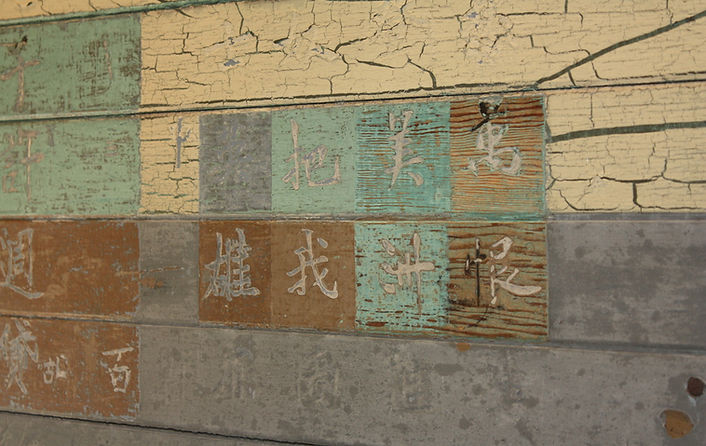

Angel Island’s immigration records show how federal officials processed Chinese applicants. Case files, interrogation transcripts, landing papers, and appeal documents recorded names, ships, claimed family relationships, answers to questions, and final admission or deportation decisions. These records are useful because they show the structure of the exclusion system and how much evidence Chinese applicants were expected to provide before entering the United States.
Personal accounts, poems, and oral histories show a different side of the same history, revealing the uncertainty, homesickness, frustration, and pressure experienced by detainees as they waited for decisions about their futures. Read together, official records and personal testimony show both sides of Angel Island’s history: how the government administered exclusion and how detained migrants experienced it.

PRESERVATION OF THE SITE
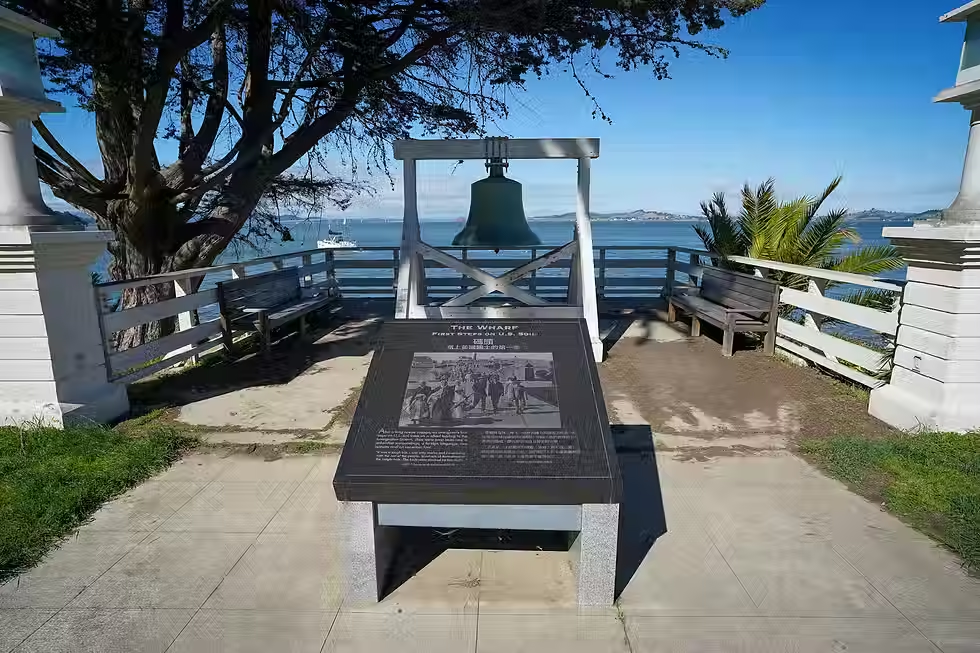
The Angel Island Immigration Station has been preserved as a historic site. The detention barracks, poems, exhibits, and museum spaces allow visitors to learn about immigration processing, detention, and exclusion on the West Coast. Preservation work has helped make Angel Island a public place for education, remembrance, and historical interpretation. Even today you can visit Angel Island through the Ferry system in San Francisco to see the site that many Chinese immigrants once considered their holding.
WHAT THESE SOURCES REVEAL
1
Exclusion Became Routine
Angel Island’s records show how exclusion operated through ordinary procedures: forms, interviews, inspections, appeals, and case decisions. The system did not only rely on open hostility. It also worked through paperwork and rules that made Chinese applicants repeatedly prove their eligibility to enter.
2
Waiting Became Harm
Detention shaped the experience of immigration by turning arrival into uncertainty. Detainees could reach San Francisco Bay and still remain separated from family, sponsors, and community. The time spent waiting for decisions became part of the larger harm of exclusion.
3
Memory Requires Interpretation
The surviving sources do not speak in only one way. Official records show how the government processed people, while poems and personal accounts show how detainees understood that process. Reading them together helps explain Angel Island as both an immigration site and a place of historical memory.